Vinyl

< Back

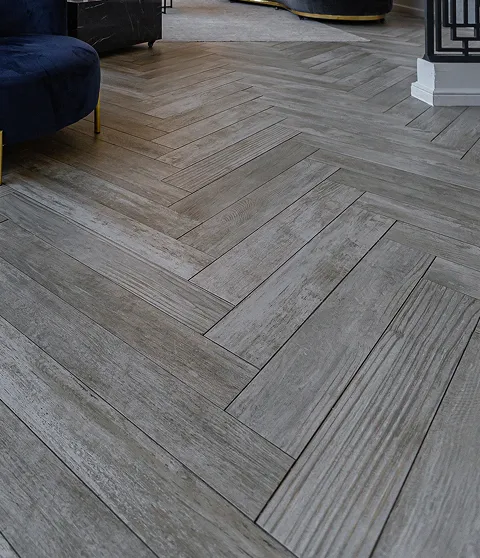
Vinyl flooring is a flexible, water-resistant floor covering made from several layers of synthetic materials. It usually has a cushioned backing and a protective top surface, making it comfortable to walk on and durable for everyday use. Modern vinyl designs can replicate the appearance of wood, stone, or tiles while requiring much less maintenance.
The wear layer is the transparent protective coating on top of vinyl flooring. Its purpose is to protect the printed design underneath from scratches, stains, and daily wear. Floors with a thicker wear layer tend to perform better in busy areas of the home because they provide extra protection against heavy foot traffic.
Vinyl floors are relatively easy to maintain. Regular sweeping or vacuuming helps remove dust and debris, while wiping up spills promptly prevents marks or stains. For deeper cleaning, a damp mop with a mild cleaning solution can be used occasionally to keep the surface looking fresh.
Vinyl flooring usually ranges from around 2 mm to just over 4 mm in thickness. However, the thickness of the wear layer often matters more than the overall thickness because it determines how well the floor resists scratches and wear over time.
Vinyl can be a practical choice for households with pets because its protective surface helps resist scratches and stains. However, no flooring material is completely scratch-proof. Choosing a product with a thicker wear layer can help reduce the risk of damage from claws or heavy activity.
If a spill occurs, it's best to clean it up as soon as possible. Use a soft cloth or paper towel to absorb the liquid and then wipe the area with a damp cloth if necessary. Acting quickly helps prevent marks or residue from settling on the surface.
Most flooring suppliers do not provide repair services for damaged vinyl surfaces. Minor stains can sometimes be cleaned using appropriate products, but more serious damage may require replacing part of the flooring or making a claim through home insurance if applicable.
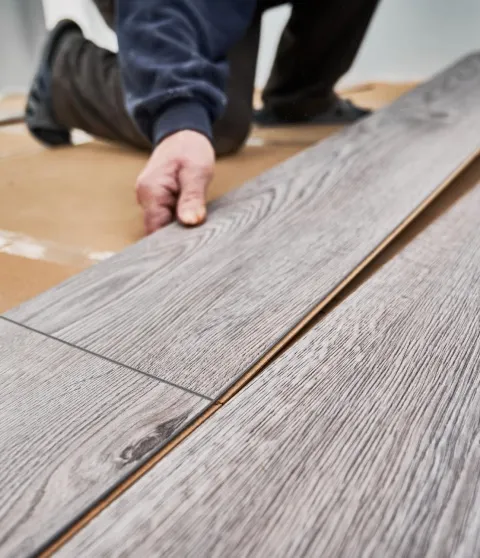
Vinyl flooring can be fitted using different methods depending on the product and the room size. Some vinyl sheets can be laid loosely and secured around the edges with adhesive, while others are fully bonded to the subfloor using adhesive across the entire surface.
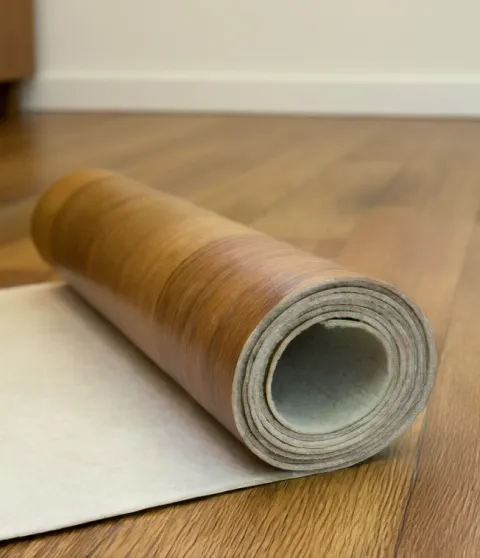
Traditional underlay is usually not required for sheet vinyl. Many vinyl products already include a foam or felt backing that provides cushioning and insulation. Instead, adhesive is used to secure the flooring in place during installation.
Although they may look similar, lino and vinyl are produced differently. Vinyl is manufactured using layered synthetic materials, making it flexible, water-resistant, and durable. Linoleum is made from natural ingredients and may be more sensitive to moisture, which can cause it to curl or wear differently over time.
Vinyl flooring is generally one of the more affordable flooring options. Prices vary depending on the design, thickness, and backing type. The total cost typically includes the flooring material as well as installation and any accessories needed for fitting.
Proper subfloor preparation is essential for a smooth and long-lasting installation. The surface should be clean, dry, and level before laying the vinyl. Any debris, moisture, or uneven areas should be addressed first so the flooring can sit flat and perform properly over time.